Category: Features

Must Have Safety Items for Your Home

Our homes have always been a place of refuge and comfort from the outside world. But since we spend so much time there, it’s also a place where accidents can happen. We do so much to keep our families safe outside our houses and often neglect the dangers present right under our noses. By taking a few simple precautions, you can make your home a much safer place. Here’s a few items to consider just in case of an emergency.
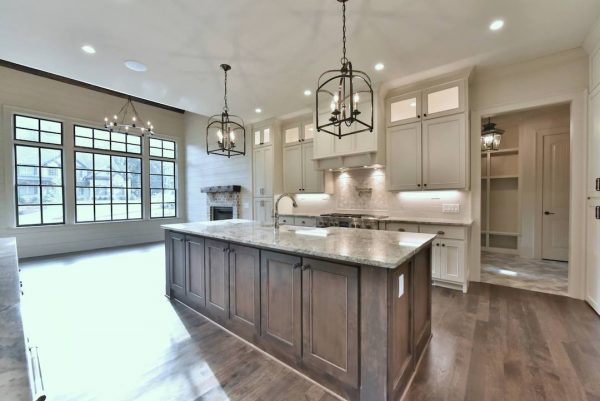
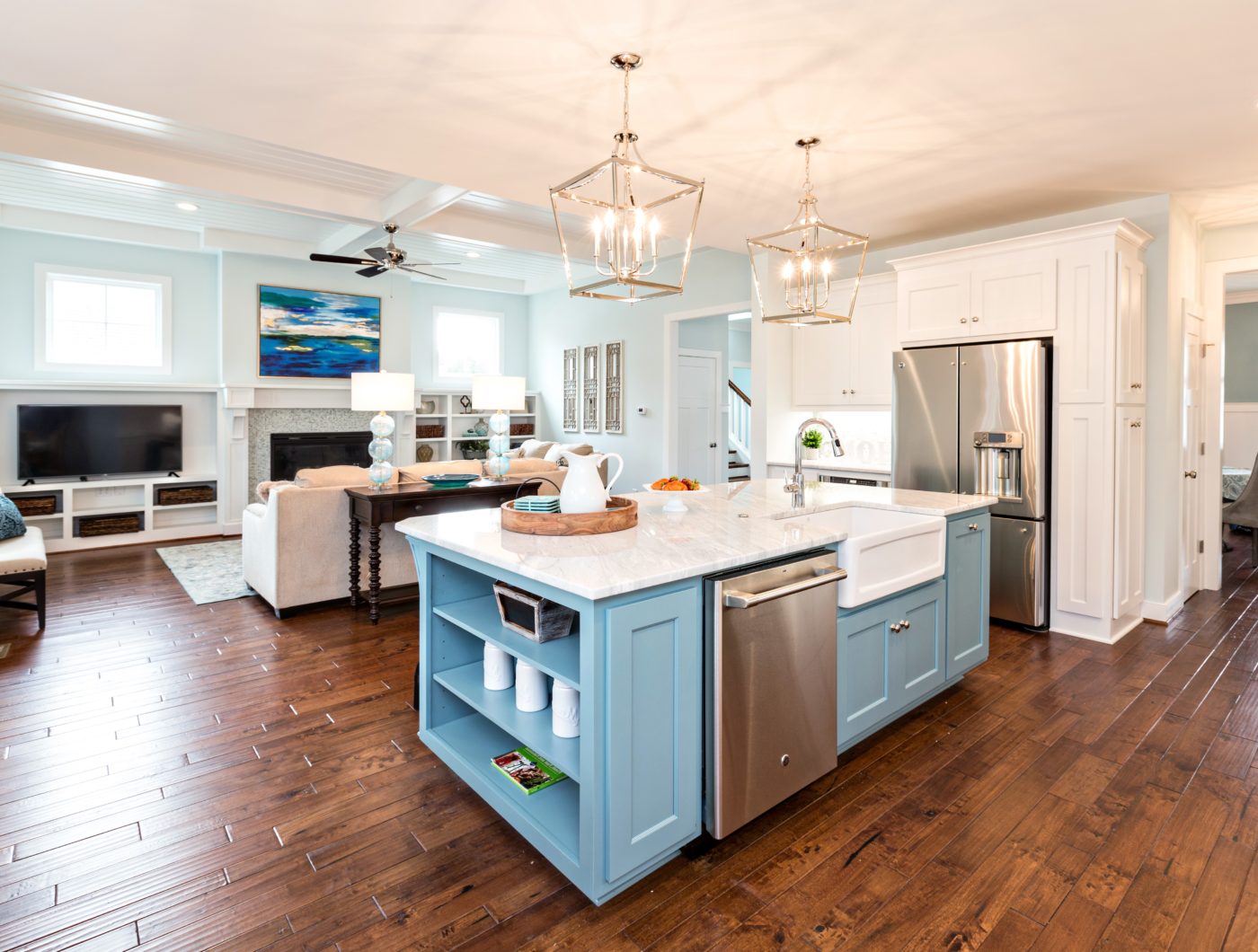
Tuxedo Park Kitchen

Fire extinguishers – Plenty of common appliances and accessories can be fire hazards if used improperly. Ovens, microwaves, even curling irons can pose risks if left unattended. Make sure you have fire extinguishers present on each floor and test them once a year.


First aid kits – Accidents are inevitable, especially if young children live in the home. They might get their hands on a sharp knife, get a finger pinched in a window, or touch that hot curling iron we talked about above. To treat cuts, bruises, and burns, keep a complete first aid kit in the house. A proper first aid kit will contain band aids, antiseptic spray, antibiotic ointment, sterile bandages, gloves, medical tape, and a thermometer.


Smoke, CO, and Radon alarms – Sometimes it’s the things we can’t see that pose the biggest threat. A smoke detector needs to be present in every room in the house, but don’t forget about CO and radon alarms. Carbon monoxide is invisible and odorless, but very deadly after exposure. You should probably test these alarms every six months to ensure working batteries.


Deadbolt locks – Keeping unwanted guests out of your house is a top priority for all families, but not everyone can afford a sophisticated security system. However, most of the time a quality deadbolt lock will dissuade most bad guys from getting inside. Place one on every door that faces the exterior of the house.


Wi-Fi Thermostats – If you travel a lot, a Wi-Fi thermostat will regulate your home’s temperature without you being present. You can adjust the heating and cooling levels right from your phone. No more burst pipes in the winter!


Emergency contacts list – You aren’t always going to be home when bad things happen, so leave an emergency contacts list in plain sight for anyone in the house to see. Include the numbers for police, fire, ambulance, and any friends or relatives who live close by.


Non-toxic house plants – This is a must-have for any home with pets. Make sure no small children or fluffy friends get sick from nibbling on your plants.

Disaster kits – If bad weather knocks out your power, you need to be prepared. A good disaster kit contains water, food, blankets, batteries, flashlights, first aid kits, and tools.


The essence of a home is a place of safety and comfort. Incorporating the above items will not only help protect your family, but go a long way to giving you piece of mind. To achieve the age old maxim of Home Sweet Home, you should start with Home Safe Home.
How To Ensure a Timeless Design


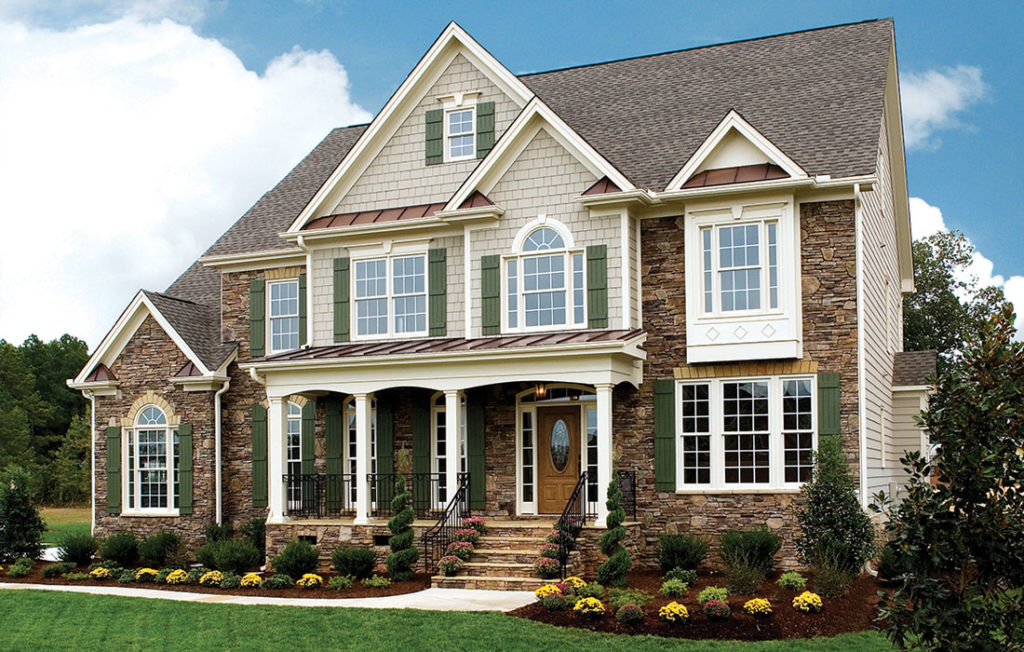
When designing a home, there is a number of different aspects to consider. Most home buyers want a modern design with staying power, something that won’t fade out of style as the years pass. This can be a difficult assignment for a home designer. ‘Modern’ doesn’t necessarily mean timeless though, and trends fade as the years march on. If you want a timeless design for your home, you will need to actually think inside the box. Because when it comes to home design, the tried and true ways are often still the best.

Accept Traditional Design Standards That Are Established, Don’t Veer Too Far Off Course

Everyone wants their home to be unique, but there are certain proven methods that have become established for a reason. They work both from a style and a functionality perspective. So when you start the design process, do not throw decades of design practice out the window. You can still have a one of a kind home while sticking to more traditional design standards. Venturing too far outside the established norms can turn your home into a funhouse, something that will really come back to bite when it’s time to sell. Keep it simple here.

Traditional Designs Have More Acceptance and Appeal To Buyers When It’s Time to Sell

Unfortunately, you cannot just think about your own personal preferences when it comes to home design. Especially if you are a first time home buyer. Unless you plan on living in the house for the rest of your life, you need to consider what the design will do to the resale value. Sure, a gothic style might appeal to you now, but it could turn off potential buyers later on. The Colonial, Georgian, or Victorian styles have proven to stand the test of time and will entice future buyers down the road.

Timeless Designs Can Be Fresh and New Without Losing Traditional Appeal

Know that your new home is not destined to be cookie cutter. Traditional designs can be updated with new ideas and still hold their timeless appeal. For example, you can borrow bits and pieces from traditional style and use them to give your modern home a more classical appearance. Use neutral color schemes and motifs to give rooms a traditional feel. Also, elements like granite and wood give even the most modern houses a nod to the traditional. And as far as furniture is concerned, done tastefully, it is okay to mix traditional furniture with modern architecture and vice versa.

Regardless of your home design preferences, traditional styles are tried and true and have mass appeal to potential buyers. Traditional design aesthetics like room placement, ceiling height, and window choices to name a few have stood the test of time for a reason. They work and can work incorporated in to most other home styles. Mixing in traditional features will give your house a timeless appeal, not to mention the resale value you are looking for.

Why New Homes are More Efficient

Most everyone desires a comfortable and safe place to live. Older homes may offer historic charms, but more often than not, they are models of inefficiency. Older homes usually have poor insulation, single pane windows and insufficient heat and air conditioning. These deficiencies can add up and create wasted costs just to maintain the home. Modern building technology and materials are taking new homes light years ahead of their predecessors. The following will help clearly illustrate why a new home is more efficient:

Better Insulation

New homes are simply better insulated. Insulation helps retain the cool temperature from your air conditioning system while also keeping the summer heat out. On the flip side, insulation keeps a homes warmth inside during the cold season. New homes are more efficient since they use the latest insulation materials. Today’s products have high R-Values. This is the rating system used to gauge thermal performance. Highly efficient insulation products include fiberglass blanket, foil face Polyisocyanurate sheets, and cell spray foam.

Smarter Designs  

New homes are designed and built with the latest and most efficient design innovations. This involves creating larger indoor spaces or properly-zoned areas to control improved airflow. New homes are also employing cool roof technology, windows with multiple panes, radiant floor heating, efficient water fixtures, strategic landscaping and more.

Better HVAC Systems

Current HVAC systems are a huge factor in new home efficiency. By providing consistent heating, ventilation and air conditioning, a home doesn’t suffer from wide swings in both temperature and humidity. This consistency is also aided by smart thermostats which have almost become the norm in new homes. These systems are a beneficial investment as well, since the improved the energy efficiency reduces utility bills.

Renewable power

Renewable energy is more frequently being used to power homes. These products can reduce or completely eliminate your utility bills. These systems include solar panels, wind turbines and large rechargeable batteries that can store several kilowatt-hours of electricity.

frank betz firethorn holly
Frank Betz Associates, Firethorn Holly

More Efficient Home Appliances
Modern homebuilders are almost exclusively using energy efficient appliances. Beyond HVAC systems, appliances like tankless water heaters, water saving plumbing fixtures and kitchen appliances are all geared to conserving energy and running more effectively. Another innovation in lighting has come from LED light bulbs. These typically use about 25%-80% less energy than the traditional incandescent bulbs from the past and can last up to 25 times longer.

With all the advances in residential building technology, new homes are running more efficiently than ever. Sealing the homes with high R-Value insulation, designing rooms to maximize air flow, installing the latest HVAC systems and appliances and even incorporating renewable power sources are making a big difference in home efficiency. When beginning the new home building process, take time to carefully plan these elements with your builder. He should be familiar with all the latest techniques and be able to guide you accordingly. In the end, you’ll have the home you always wanted and a highly efficient one at that.


How much does a new home really cost?

Building a new home can be an appealing and exciting experience. Yet, if it is the first time, few people really know how much work is involved. Not to mention an accurate estimate of the cost. Variable costs that include architectural fees, permit fees, construction costs and the builder’s fee and land costs all need to be considered to formulate the final price tag and to protect your budget.

Before the first nail is driven, you will need to have a good set of architectural drawings. This usually involves hiring an architect or residential designer. The architect or designer will work with the customer to design the home, produce construction documents, aid and assist with product selection and sometimes manage or monitor the construction of the home. Typically, an architect will cost between $7,500 and $30,000. He or she may also charge a percentage of the construction costs or base their fees on a price per square foot. As an alternative, there are many quality pre-designed house plans available through various media outlets by very talented architects and designers.

Haddington House Plan

Land is another major cost consideration. As the population increases in major cities, so has the cost of building lots. In the U.S., a buildable lot averages $85,000.00. This number includes survey and financing costs.

Once the lot is secured, the homeowner needs to factor the builder’s fee. Typically, the builder will charge a 10% to 20 % fee. Though this fee might seem excessive, hiring a builder saves both time and money and minimizes waste. Builders can bring valuable expertise in land selection, preparation of your lot, the construction process, obtaining financing and appropriate material selection. They also bring much needed experience to navigating the complicated permitting and inspection process.

Next on the list, is materials. Steel prices have increased significantly over the past years: from May 2017 to December 2017, the global steel price has almost doubled. Future prices are predicted to continue growing, considering the recent 25% tariff imposed on steel imports. Costs like drywall average $11,000 while a typical roof goes for $10,000. Other hard material costs that effect framing, and flooring have become costly as well. The choice of exterior finishes such as brick, siding or stucco also have a major effect on the final home price. And let’s not forget about the cost of appliances, cabinets, countertops, windows, doors, interior trim and plumbing and lighting fixtures.

Sanders House Plan


With the recent uptick in the U.S. economy, new home building has increased and this has made labor harder to come by. Skilled labor is needed to prepare the lot for building, pouring foundations, framing, flooring, roofing, plumbing, electrical, HVAC, insulation, drywall, interior trim, painting, lighting, and much more. With demand for this skilled labor, up, so is the cost.

And before you put your pencil down, you’ll also need to figure in landscaping materials, outdoor structures like carports, sheds or barns, decks and porches, patios and the driveway. These and other exterior accessories can quickly add up and exceed your budget if not accounted for in the beginning.

Taking all this into account, the national average for the overall cost of a 2,000 square foot home is around $285,900.00. A typical low price will be approximately $74/square foot to a high price average of $360/square foot depending on location and materials used. Since building a new home may be the purchase of a lifetime, much preparation and planning should go into the cost considerations. Knowing all the variables up front will make the whole building process run more smoothly and successfully.

The latest product trends for new home construction


Now is an exciting time to build a new home. Beyond advances in building technology and energy efficient materials, current product and home plan design trends are making today’s new homes quite remarkable. These products include unique patterned flooring, wide bi-fold/sliding doors, free standing bath tubs, interior shiplap siding, exposed beams, and bold and bright paint color schemes.


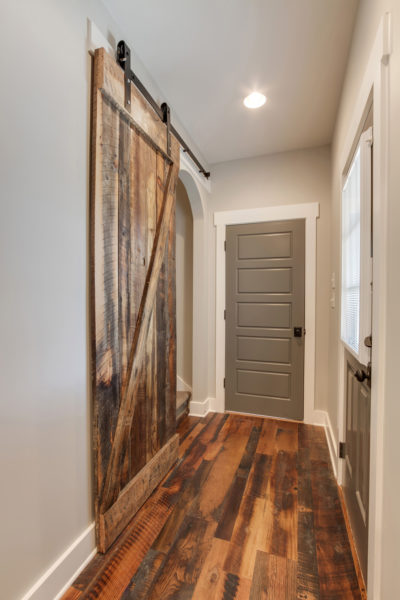
Gone are the days of boring home floors. Patterned wood and tile have made their way into homes across the nation. From fumed wood, which dramatically enhances the grain, to blanched wood for a distressed but clean look, wood flooring has taken a prominent step forward. We’re seeing mixed-width planks used to create distinct patterns to the more traditional herringbone arrangement. Marble, slate and ceramic tiles with patterns and textures are also being used to create floors that are an integral part of the home decor scheme.

Frank Betz House Plan- Ansley Cottage


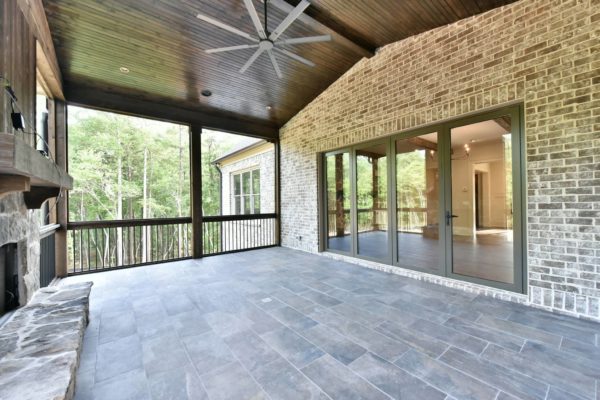
New door trends are also finding their way into homes these days. What was once just a utilitarian item has now become a unique design feature. Incorporating wide sliding glass doors or large bi-folding doors into the design of home plans with covered porches, patios or decks provides living spaces with natural light and more generous views. Weather permitting, opening these wide doors also extends the home’s living space to the outside creating large, flowing floor plans perfect for entertaining and family gatherings.

Frank Betz House Plan- Tuxedo Park

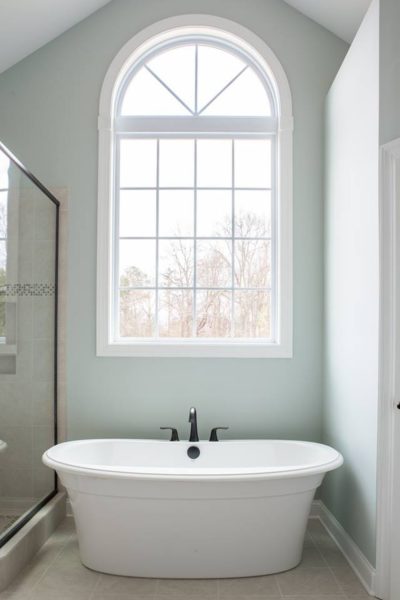
In the master bathrooms, the large soaking tubs are breaking free from their typical built-in platforms as the stand-alone tub is fast becoming a hot new item. These free standing tubs, both tranquil and beautiful, make a great design focal point and many master bathrooms are being designed around these icons of luxury and relaxation to create a more spa like feel.  With this increased interest, many companies have designed a wide array of tub styles that are both sculpturally beautiful and affordable.

Frank Betz House Plan-Beaufort

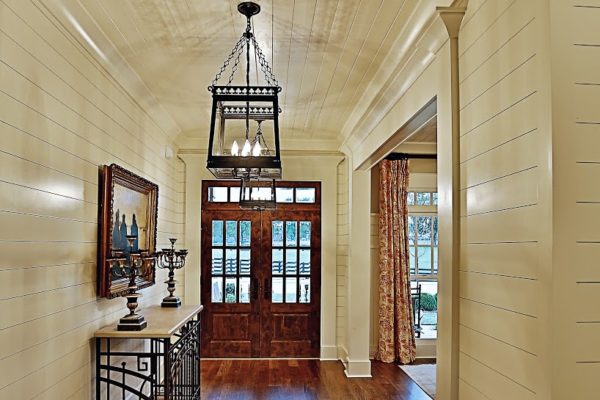
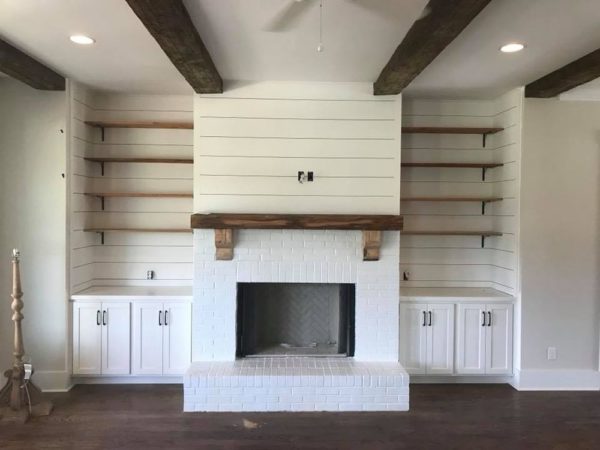
Another trending design element made popular by the modern farmhouse plan is the use of shiplap siding as an interior feature.  Bringing this common exterior finish to the inside of the house gives instant character to any space. Whether used as an accent on a fireplace or covering the walls of a room, shiplap siding provides clean, simple lines that exemplifies the “less is more” design concept while impacting the home’s aesthetic appeal.

Frank Betz House Plan -Northfield Manor

Next on the new product trend list are exposed beams. Inspired by the roughhewn beams of old barns and traditional farm houses, leaving these bones of the ceiling exposed, adds texture and depth to family rooms, keeping rooms, bedrooms and even kitchens. Architecturally, this technique can work in many different home styles from farmhouse traditional to modern. Whether made from reclaimed or new timbers, exposed beams celebrate the engineering of a home while bringing the ceiling into the forefront of the design pallet.

Frank Betz House Plan-Ansonborough

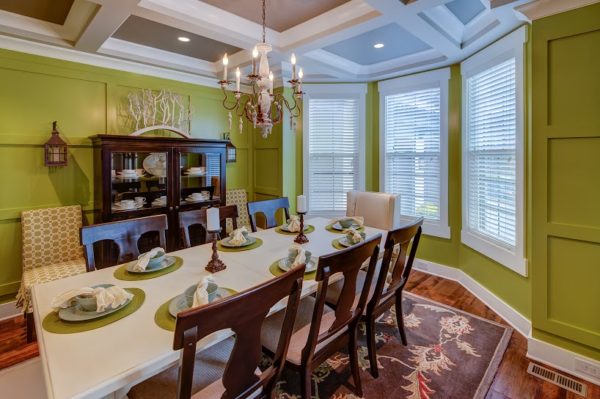
And finally, what’s new on the home construction front wouldn’t be complete without a mention of trending paint colors. Bold is back. Striking paint color choices like dark navy, rich golds and berry reds are finding their way onto the walls of new homes. Homeowners are embracing intense color schemes, from deep earth tones to vibrant jewel tones, to establish personality and character for their rooms.

Frank Betz House Plan- Ansley Cottage

All told, conventional home construction has made way for a brave new world of exciting product trends. These products help create a new home that breaks from the norm and better fits the needs and style of the individual family. More than ever, the home has become an extension of a family’s lifestyle. These trends help enable that expression.

The modern farmhouse style. It’s come a long way from the farm.


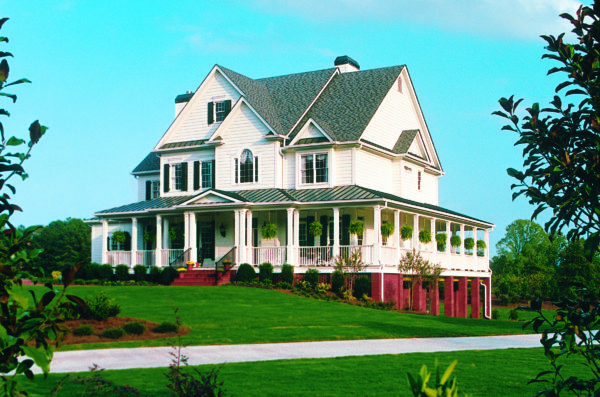
The term “farmhouse style” describes a home that is a bit different than it was a century ago. Back then, a farmhouse was just that, a house on a farm. It’s where the farmers lived. Today, it’s a very popular design for new homes and has dramatically broadened from a style standpoint. In fact, farmhouse style homes are being built throughout urban and suburban areas. And while the modern farmhouse style has definitely evolved from its days on the farm, its enduring appeal comes from the simple, clean lines, functionality and natural materials.

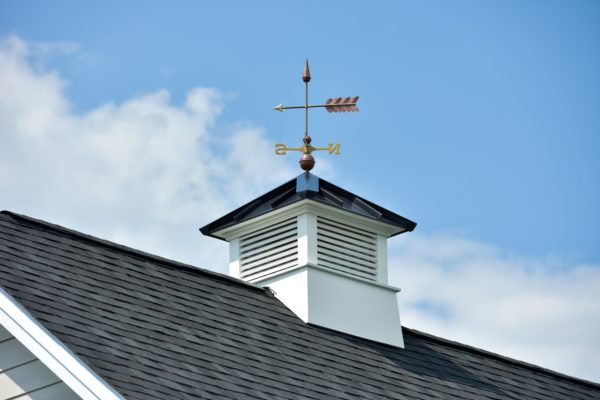
Latimer Farm House Plan- Weather Vane


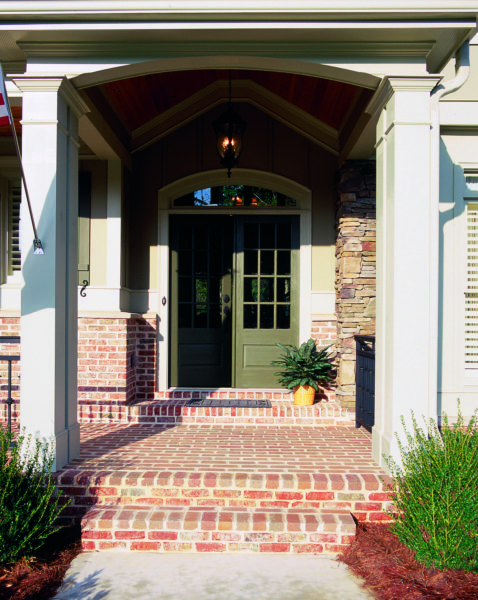
If the farmhouse style is what you want out of your home, there are a number of exterior and interior key features that will make it so. First and foremost is the front porch. The front porch provides a nice transition from the exterior to interior. Back on the farm, shoes fresh from the fields needed to stay outside and the porch was that place. That may not be the case today, where a front porch allows for casual seating and a warm welcome.

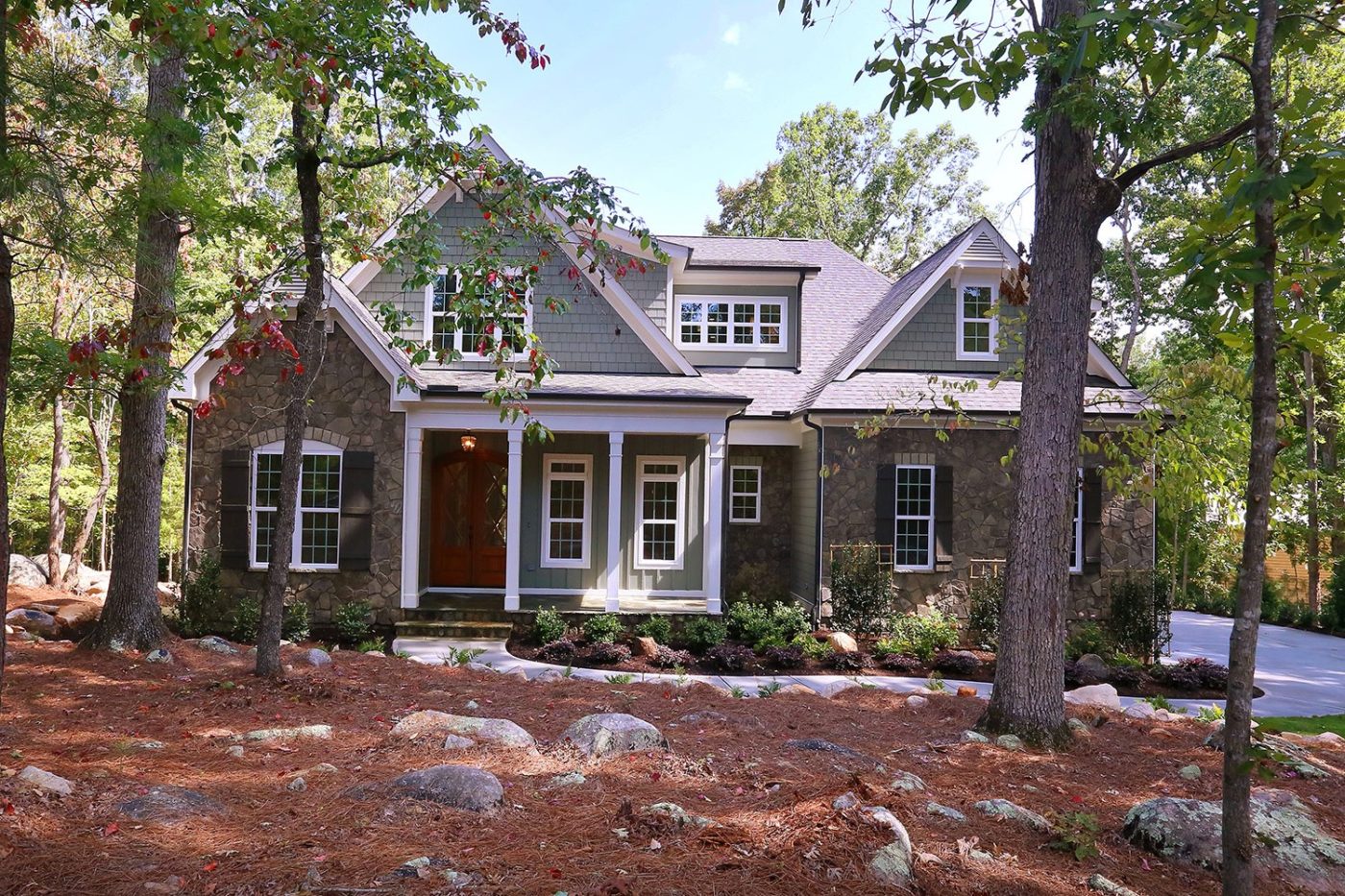
Brookshire Manor House plan – Front Elevation

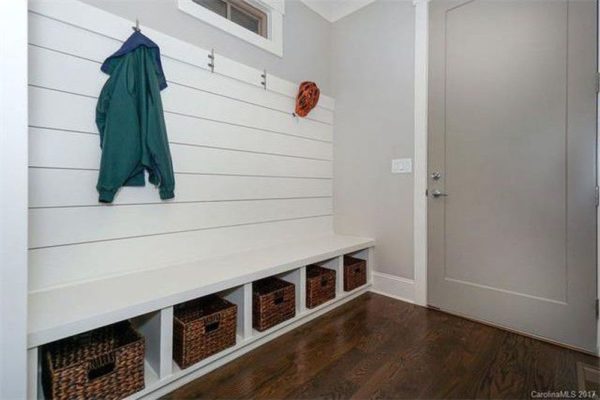
The farmhouse style floor plan gives ample room for a growing family with a large kitchen and dining area for entertaining. It usually features 3 plus bedrooms, a fireplace in the family room, a mudroom to keep coats, shoes and bags, and a covered back porch for additional living space. Vaulted ceilings and large windows for natural light are also telling elements of the farmhouse style.

Kensington Creek House Plan- Mud room


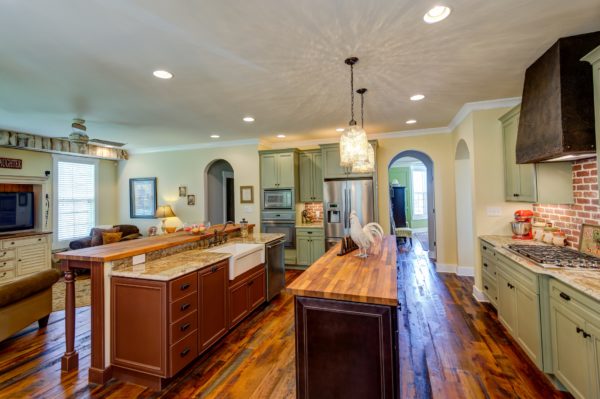
The kitchen is a place where the farmhouse style can really shine. A farmhouse style kitchen is large enough to be the central gathering room for the family and an area for dining and entertaining. A most recognized mark of the farmhouse kitchen, is the farmhouse sink. Originally the workhorse of the old farm kitchen, its distinctive style and large size make it a go-to sink for the farmhouse look. Other interior kitchen accents include the use of natural and rustic materials like shiplap and reclaimed wood. The farmhouse style kitchen’s large, open floor plan also provides room for a kitchen island and a sizeable dining table.

Ansley Cottage House Plan- Kitchen

Overall, the farmhouse style works nicely in an urban, suburban and even coastal location.
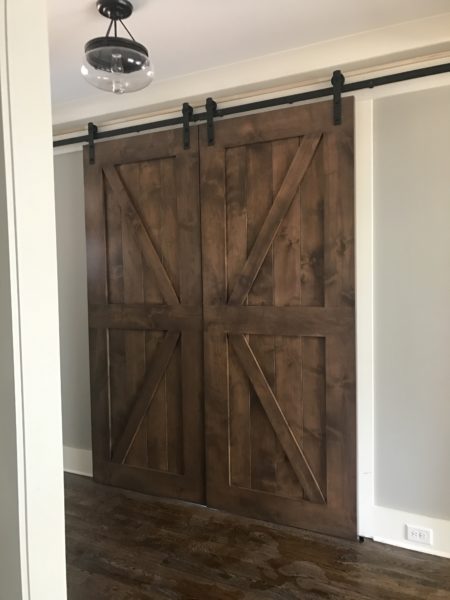
One of its most attractive attributes comes from its broad style flexibility. It’s clean and simple exterior and interior design allows for modern finishes and furnishings, as well as, the more traditional country décor. Anything with a handcrafted and practical look helps capture the farmhouse style. In our hectic, modern world, the farmhouse style has gained popularity as a way to connect and recapture the true essence of home. The farmhouse style represents an authentic and inviting American lifestyle, where the house is truly part of the family.

Summerlake House Plan- Reclaimed wood barn door

Choosing A Houseplan

A little neighborly advice for choosing the right house plan.


Building a new home can be an exciting and sometimes daunting experience.
However, deciding to start with a proven and well-crafted house plan is a great first step. Purchasing a house plan will go a long way to making your home building process less stressful and more successful.


To begin with, there are thousands of house plans available. Choosing the right one will make all the difference, not only to fit the needs of you and your family, but the homes marketability if and when you ever choose to sell. With a little planning before you pick a plan, you’ll be on the right path to laying out the welcome mat.

Tried and true considerations for choosing a house plan:

  • What are your lifestyle needs?

  Do you have a family? If so, how big? You’ll need a certain amount of bedrooms and  
  bathrooms. And if there are more children planned or relatives who visit often, you should   
  also plan for that additional living space. The interior size needs of your future home is one of
  the most important factors when choosing a house plan.

Chestnut Springs House Plan- Kitchen and Keeping area
  • What’s your style?

  From traditional to contemporary to rustic, there a many different house design styles.

  And each style has its own type of house plan. Your furnishings, and neighborhood can also

  affect the type of house plan you choose. For example, mid century modern furniture may not
  be suited for a traditional farmhouse style home.

Summerlake House Plan – Rustic Elevation
  • Where will your house live?

  In addition to the surrounding neighborhood style, the size and shape of your lot is a major

  factor when it comes to choosing a house plan. If you like the outdoors, you’ll need a plan
  that allows for outdoor space like a yard, garden, patio, decks or even a pool. A house plan  

  needs to comfortably fit the lot and the natural surroundings, while addressing additional

  uses for your property. Factors such as the width and depth of your lot and whether it’s flat or

  sloping will dictate the type of house plan. Also, if privacy is a concern, the right house plan

  with the right layout is a must. Nobody wants to their kitchen staring into the neighbor’s  

  bedroom. And vice versa.

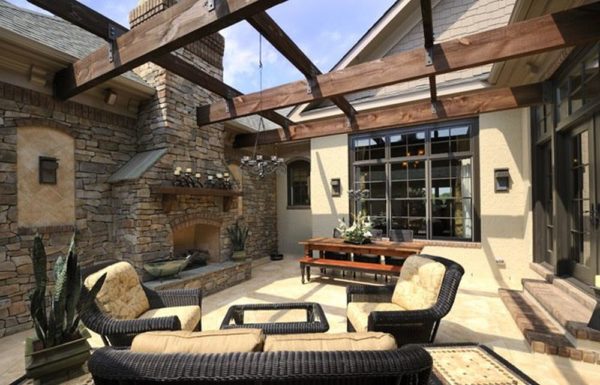
Falkirk Ridge House Plan – Courtyard
  • Got space?

   Space and its uses are key when determining which house plan is best. Are you into cooking?   
   Then maybe a house plan with a larger kitchen is a must. Will you need a home office,
   storage areas or other special interests that might call for certain space needs? These

   usability details need to be considered not only for your enjoyment but future owners.

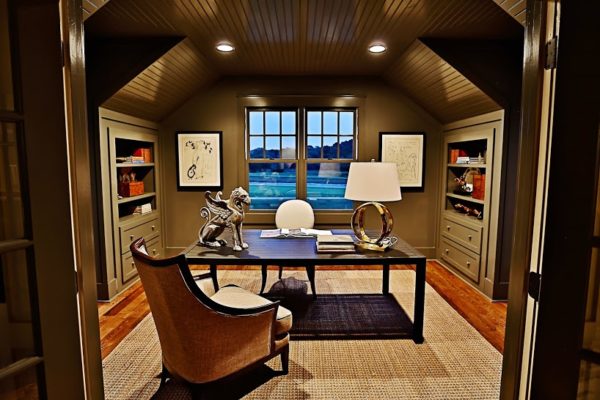
Northfield Manor House Plan- Office


Taking the time to carefully consider what you want out of your new home is guaranteed to make the whole building process easier. Choosing a house plan that fits these needs, pushes you to think about your house from the inside out. Elements like exterior details and interior finishes are easily adaptable to most house plans and are easier to plan once the floor layout, room count and lot orientation are nailed down. Think of them as the icing on your new, house cake.

Kensley Downs Photo Realistic Rendering